


© Copyright 2012/3 by SPOTS RSA. All rights reserved.



APU Services
Strategic Protection of Threatened Species


Area Evaluation and Threat Analysis
SPOTS conducts thorough analysis of areas in which we are required to operate. Studies
of topographical characteristics and features, road infrastructure, general infrastructure,
communications (cell phone signal availability) and a number of other facets are studied
in order to assist with the determination of a risk profile for the area.
This data is then analysed and plays a role in determining the vulnerability of an area to
poaching. It furthermore gives us a good indication of where we should locate and focus
our observation points, location of operations personnel, potential area-wide road closures
in the event of a poaching incident,radio network repeaters, and air surveillance capabilities.
Reserve Threat Profile
SPOTS undertakes thorough analysis of individual reserves/farms in order to establish a risk/threat profile which takes into
consideration vulnerable points of entry and exit, communications availability, topographical characteristics which would benefit/aid
poachers, topographical characteristics which will aid anti-poaching teams, the determination of potential observation posts,
the general security of the reserve, the quality of reserve personnel and their respective training needs, the quality of radio
communications capability, the strategic location of the respective property in relation to the area, and the potential for the
establishment of a SPOTS operating base on the property. At the conclusion of this analysis, SPOTS is in a position to determine
an anti-poaching strategy and plan for the individual property/reserve.
This plan will include:
* Perimeter/boundary patrolling requirements
* The location and manning of observation posts
* An action plan in the event of an attempted poaching and the necessary follow-up/pursuit actions
* Intelligence gathering and information dissemination
* Communications needs
* Air surveillance
* Monitoring of unauthorised traffic, both ground and air, and the reporting thereof
* Individual training needs
* Staffing requirements
SPOTS Anti-poaching Services
SPOTS anti-poaching operators are well equipped, well armed and skilled in many aspects including counter insurgency, bush
craft and bush warfare, tracking and hot pursuit, and intelligence gathering. Should the reserve not have sufficient of their own
anti-poaching personnel and should they wish to employ said personnel, then SPOTS offers to assist in the selection/employment
process and the training of personnel.

Remote Census and Surveillance
SPOTS possesses particular individuals with significant skill set in this area and offers services in this regard, both for the conducting
of remote census using satellite imaging as well as for the arial monitoring of potential incursions. SPOTS is currently using UAS
technology to assist us in this regard.
Crime Scene Management
SPOTS has a professional internal Crime Analyst. This is a vital aspect of the successful apprehension and prosecution of those
making a poaching attempt. Too often, the perpetrators of wildlife crime, including poaching, are successful in their attempts to
evade prosecution due to ineffective crime scene management. This service is offered to all who require it and it has proved very
successful thus far.
Tracking Technology
SPOTS has been and continues to be very instrumental in the development, testing and deployment of technologies with which to
fight this onslaught. GPS tracking technology, better RF systems, UAV's, remote census solutions and thermal/infrared systems are
playing and will continue to play an escalating role in our fight against poaching.
Area Involvement and Responsibility
SPOTS believes that for each landowner/reserve to concentrate effort on only their reserve/property does not suffice.
All landowners/reserves have to work together to ensure that the whole area becomes more secure. To this end, SPOTS works
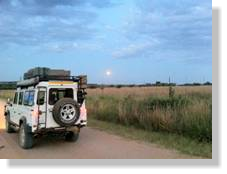
with individual owners/reserves in areas towards area-wide security/anti-poaching patrolling. This patrolling involves, in the main,
vehicle based patrolling.